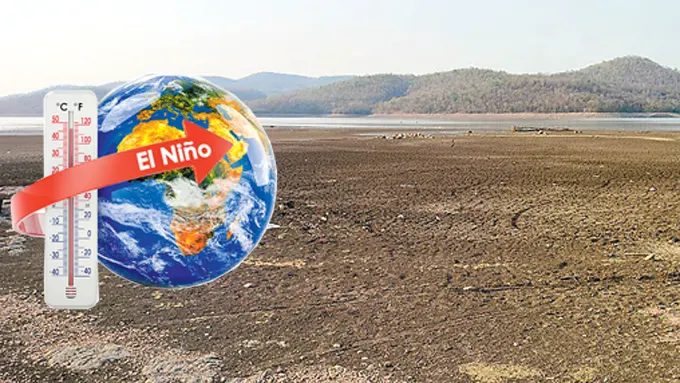
చెయ్యిచ్చిన నైరుతి... ఆశలన్నీ ఈశాన్యంపైనే!

- A
- A+
- A++
ఈసారి నైరుతి రుతుపవనాల సీజన్ వానలకు తీవ్రమైన కొరత, ప్రాంతీయ వర్షపాతంలో వ్యత్యాసాలు, సేద్యానికి అవసరమైనంతగా నేలలో తేమ లేకపోవడం వంటి సమస్యలతో ముగిసింది. మరోవైపు, ఎల్నినో ప్రభావం వచ్చే ఏడాది ఆరంభం వరకు కొనసాగనుంది. ఇటువంటి పరిస్థితుల్లో, అక్టోబర్-డిసెంబర్ కాలంలో ఈశాన్య రుతుపవనాలు తెచ్చే వర్షాలైనా జలాశయాలను నింపి, నేలలో తేమను పెంచి, శీతాకాల పంటలకు(రబీకి) నీరు అందించగలవా? అన్న ప్రశ్న ఉత్పన్నమవుతోంది.
భారత వాతావరణ విభాగం(ఐఎండీ) నివేదిక ప్రకారం, ఈ ఏడాది జూన్-సెప్టెంబర్ కాలంలో దేశంలో 759.4 మి.మీ. వర్షపాతం నమోదైంది. దీర్ఘకాలిక సగటు వర్షపాతం 868.6 మి.మీ. కాగా, ఈసారి 12.6శాతం కొరత ఏర్పడింది. దక్షిణ భారత సాధారణ వర్షపాతంలో 76శాతం; తూర్పు, ఈశాన్య భారతాల్లో 74శాతమే నమోదైంది. ఇక వాయవ్యంలో 94శాతం, మధ్య భారతంలో 97శాతం చొప్పున వర్షపాతం నమోదైంది. ఈ జాతీయ, ప్రాంతీయ సగటులు స్థూలమైనవే తప్ప జిల్లాస్థాయిలోని వ్యత్యాసాలను ప్రతిబింబించవు.
పంటలపై ప్రభావమెంత?
ఎల్నినో వల్ల పసిఫిక్ మహాసముద్రంలోని మధ్య, తూర్పు ప్రాంతాల జలాలు అసాధారణంగా వేడెక్కుతాయి. వాతావరణంలో గాలులు, తేమ ప్రసరణలో మార్పులు సంభవిస్తాయి. ఇది భారత్లోని కొన్ని ప్రాంతాల్లో తేమ సమకూరడాన్ని తగ్గించి, నైరుతి రుతుపవనాలు బలహీనం కావడానికి దారితీస్తుంది. వానలు ఎప్పుడు, ఎక్కడ పడతాయనేది రుతుపవనాల కాలంలోని అల్పపీడన వ్యవస్థలు, రుతుపవనాల్లో వచ్చే అంతర్గత మార్పులు, హిందూ మహాసముద్ర ద్విధ్రువత(ఐవోడీ), ప్రాంతీయ గాలుల ప్రసరణపై ఆధారపడి ఉంటుంది. ఐవోడీ దిశ, బలాన్ని బట్టి ఎల్నినో కారక మార్పులు తీవ్రం కావచ్చు, లేదా తగ్గవచ్చు. అక్టోబర్-డిసెంబర్ కాలంలో తటస్థ ఐవోడీ పరిస్థితులు ఏర్పడతాయని ఐఎండీ అంచనా వేసింది. కాగా, వచ్చే ఏడాది జనవరి-మార్చి వరకు తీవ్రమైన ఎల్నినో పరిస్థితులు ఏర్పడటానికి 90శాతానికి పైగా అవకాశం ఉన్నట్లు అమెరికా జాతీయ సముద్ర, వాతావరణ పరిశోధన సంస్థ ‘నోవా’ నివేదించింది.
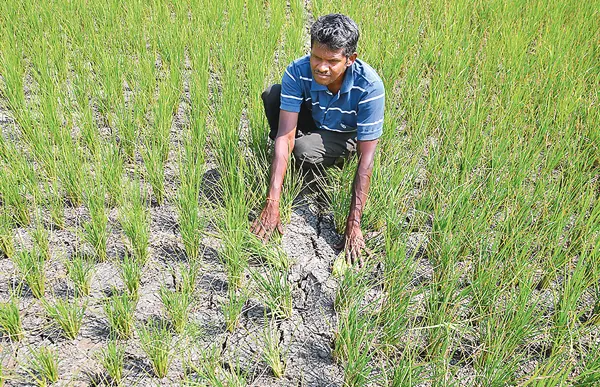
ఐఎండీ ఆగస్టు చివరి నుంచి సెప్టెంబర్ మధ్య వరకు అందించిన నివేదిక ప్రకారం, దేశవ్యాప్తంగా పరిశీలించిన విస్తీర్ణంలో 19.34శాతం తీవ్రమైన వ్యవసాయ వర్షాభావానికి గురైంది. మరో 55.6శాతం విస్తీర్ణంలో స్వల్పంగా తేమ కొరత ఉంది. ఇది కేవలం పరిశీలన సమయంలో ఉన్న పరిస్థితులనే వెల్లడిస్తుంది కాబట్టి, దిగుబడి నష్టానికి దీన్ని నిదర్శనంగా తీసుకోకూడదు. ఆంధ్రప్రదేశ్లో పరిశీలించిన విస్తీర్ణంలో 74.1శాతం భూమి తీవ్రస్థాయి వర్షాభావానికి గురైంది. తమిళనాడులో ఇది 40.3శాతం, కర్ణాటకలో 38.1శాతం, తెలంగాణలో 24.4శాతంగా ఉంది. దీని అర్థం ఆంధ్రప్రదేశ్లో ముప్పావు వంతు పంటలు నష్టపోయాయనో, అక్టోబర్లోనూ అదే పరిస్థితి ఉందనో కాదు. అయితే ప్రకాశం, అన్నమయ్య, పల్నాడు జిల్లాల్లో మాత్రం వెంటనే క్షేత్రస్థాయి పరిశీలనలు, తనిఖీలు చేపట్టాలని ఈ నివేదిక సూచించింది. వాతావరణ అనావృష్టి, వ్యవసాయ అనావృష్టి ఒక్కటి కావు. వర్షపాత కొరత అనేది తగ్గిన వానలను సూచిస్తుంది. వ్యవసాయ అనావృష్టి నేలలో తేమ కొరత, పంటల పరిస్థితి, నీటిపారుదల సదుపాయాల లభ్యతపై ఆధారపడి ఉంటుంది.
వ్యవసాయశాఖ సెప్టెంబర్ నివేదిక ప్రకారం, 1,086.31 లక్షల హెక్టార్లలో ఖరీఫ్ పంటలు వేశారు. గతేడాది ఇదే సమయంతో పోలిస్తే ఇది 17.69 లక్షల హెక్టార్లు తక్కువ. ప్రధానంగా వరి విస్తీర్ణం తగ్గగా, పప్పుధాన్యాల విస్తీర్ణం పెరిగింది. అయినాసరే, వర్షపాత కొరత ధాన్య దిగుబడి తగ్గిపోవడానికి నేరుగా కారణమవుతుందని చెప్పలేము. కాలువల ద్వారా నీరు అందే తీరప్రాంత నీటి అవసరాలు, వర్షాధారిత, లోతట్టు ప్రాంతాల అవసరాలు వేర్వేరుగా ఉంటాయి. పంటలకు అదను చూసి, ఉన్న నీటినే అందిస్తే నష్టాన్ని తగ్గించవచ్చు. రబీ సాగు చేయాలనుకునే రైతులకు నేలలోని తేమ, రాబోయే వర్షాలు, విత్తనాల ఎంపికపై సమగ్ర సమాచారం అందించాలి.

కొన్ని ప్రాంతాలకు సానుకూలం
అక్టోబర్-డిసెంబర్ మధ్య దేశంలోని చాలా ప్రాంతాల్లో సాధారణంకంటే తక్కువ వర్షపాతం నమోదు కావొచ్చని ఐఎండీ అంచనాలు చెబుతున్నాయి. అయితే దక్షిణ, వాయవ్య భారతాల్లోని కొన్ని ప్రాంతాలకు సానుకూల సంకేతాలు ఉన్నాయి. తమిళనాడు- పుదుచ్చేరి- కారైకల్, కోస్తా ఆంధ్ర-యానాం, రాయలసీమ, కేరళ-మాహే, దక్షిణ అంతర్గత కర్ణాటకల్లో ఎల్పీఏలో 88-112శాతం వర్షపాతం నమోదయ్యే అవకాశముంది. ఈశాన్య రుతుపవనాలు దక్షిణ భారతంలోని జలవనరులు నిండటానికి, నేలలో తేమ పెరగడానికి అత్యంత కీలకం. ఎల్నినో సమయంలో కొన్నిసార్లు ఆగ్నేయ ద్వీపకల్పంలో మంచి వర్షాలు పడుతుంటాయి. మరోవైపు బంగాళాఖాతంలో ఏర్పడే అల్పపీడనాలు, తుపానులతో వచ్చే వర్షాలు, వరదలను ఎదుర్కోవాలి. వచ్చే మార్చి-మే నాటికి దేశంలోని చాలా ప్రాంతాల్లో ఉష్ణోగ్రతలు సాధారణంకంటే ఎక్కువగానే ఉండవచ్చు. ఈ పరిస్థితుల్లో రాష్ట్ర ప్రభుత్వాలు అప్రమత్తం కావాలి. రాబోయే నెలల్లో వర్షపాతం, పంటలు, నీటి వినియోగాన్ని అనుసంధానిస్తూ సమగ్ర పర్యవేక్షణ చేపట్టాలి. వర్షపాతాన్ని, ఎండ తీవ్రతను నమోదు చేయాలి. జలాశయాల నిల్వలు, చెరువులు, భూగర్భ జలమట్టాలను గమనిస్తూ రబీ సాగుదారులకు సలహాలు అందించాలి. వర్షాధార సేద్యం, తక్కువ నీటిపారుదల ఉన్న ప్రాంతాలపై ప్రత్యేక దృష్టి పెట్టాలి. బంగాళాఖాతంలో అల్పపీడనాల వల్ల భారీ వర్షాలు కురిసే అవకాశముంది. కాబట్టి, ముందుజాగ్రత్తగా కరవు నిర్వహణతో పాటు వరద విపత్తును నిభాయించడానికీ తగిన సన్నద్ధత అవసరం.
► Read latest Editorial Newsand Telugu News► Follow us on Facebook, Twitter, Instagram& Google News. Tags :Published : 16 Oct 2026 01:33 ISTగమనిక:ఈనాడు.నెట్లో కనిపించే వ్యాపార ప్రకటనలు వివిధ దేశాల్లోని వ్యాపారస్తులు, సంస్థల నుంచి వస్తాయి. కొన్ని ప్రకటనలు పాఠకుల అభిరుచిననుసరించి కృత్రిమ మేధస్సుతో పంపబడతాయి. పాఠకులు తగిన జాగ్రత్త వహించి, ఉత్పత్తులు లేదా సేవల గురించి సముచిత విచారణ చేసి కొనుగోలు చేయాలి. ఆయా ఉత్పత్తులు / సేవల నాణ్యత లేదా లోపాలకు ఈనాడు యాజమాన్యం బాధ్యత వహించదు. ఈ విషయంలో ఉత్తర ప్రత్యుత్తరాలకి తావు లేదు.
English Translation
The done South West... all hopes are on the North East!

- A
- A+
- A++

This time the Southwest Monsoon season is severely deficient in rainfall, regional Variations in rainfall resulted in problems such as insufficient soil moisture for irrigation. On the other hand, the effect of El Nino will continue until early next year. In such a situation, can the rains brought by the northeast monsoon during October-December fill the reservoirs, increase soil moisture and provide water for the winter crops (rabi)? The question arises.
According to the Indian Meteorological Department (IMD) report, the country received 759.4 mm of rainfall during June-September this year. Rainfall is recorded. Long term average rainfall is 868.6 mm. Meanwhile, this time there was a shortage of 12.6 percent. 76 percent of South India's normal rainfall; Only 74 percent was recorded in East and North East India. Rainfall has been recorded at the rate of 94 percent in North-West and 97 percent in Central India. These national and regional averages are rough and do not reflect district-level differences.
What is the impact on crops?
El Nino causes unusually warm waters in the central and eastern Pacific Ocean. Changes in the circulation of winds and moisture occur in the atmosphere. This reduces the accumulation of moisture in some parts of India and leads to weakening of the southwest monsoon. When and where rainfall occurs depends on low pressure systems during the monsoon season, internal changes in the monsoon, the Indian Ocean Dipole (IOD), and regional wind circulation. Depending on the direction and strength of the IOD, changes in the El Nino factor may intensify or diminish. The IMD has predicted neutral IOD conditions during October-December. Meanwhile, American National Oceanic and Atmospheric Research Institute 'Nova' has reported that there is more than 90 percent chance of severe El Niño conditions from January-March next year. According to this, 19.34 percent of the surveyed area across the country is under severe agricultural rainfall. Another 55.6 percent area is slightly deficient in moisture. It should not be taken as an indication of yield loss as it only reveals the conditions prevailing at the time of observation. In Andhra Pradesh, 74.1 percent of the surveyed area is under severe rainfall. It is 40.3 percent in Tamil Nadu, 38.1 percent in Karnataka and 24.4 percent in Telangana. This does not mean that thirty-fourth of the crops in Andhra Pradesh have been lost, nor is the situation the same in October. However, this report suggested that field level observations and inspections should be carried out immediately in Prakasam, Annamaiya and Palnadu districts. Climate drought and agricultural drought are not the same thing. Deficit rainfall refers to reduced rainfall. Agricultural drought depends on the scarcity of soil moisture, condition of crops and availability of irrigation facilities.
According to the Agriculture Department's September report, 1,086.31 lakh hectares of Kharif crops were sown. This is 17.69 lakh hectares less than the same time last year. Mainly paddy area decreased while pulses area increased. However, it cannot be said that the lack of rainfall is directly responsible for the reduction in grain yield. The water needs of coastal areas that receive water through canals, rain-fed and low-lying areas are different. Crop damage can be minimized if the crop is supplied with available water. Farmers who want to cultivate Rabi should be provided with comprehensive information about soil moisture, upcoming rains and selection of seeds. Its impact on water depends on the area of rainfall, intensity of rainfall and consumption. However, if groundwater is pumped excessively to protect crops temporarily, they will fail badly in the future. So drinking water security and livestock water needs should be included in the district level plans.
Positive for some areas
IMD estimates say that most parts of the country may receive less than normal rainfall between October and December. However, there are positive signs for some parts of South and North-West India. Tamil Nadu-Puducherry-Karaikal, Coastal Andhra-Yanam, Rayalaseema, Kerala-Mahe, South Interior Karnataka are likely to receive 88-112 percent of LPA rainfall. Northeast Monsoons are crucial for replenishing water bodies and increasing soil moisture in South India. During El Nino, sometimes good rains fall in the Southeast Peninsula. On the other hand, we have to deal with low pressures, rains and floods in the Bay of Bengal. Temperatures may remain above normal in most parts of the country by next March-May. State governments should be alert in these situations. In the coming months comprehensive monitoring should be undertaken linking rainfall, crops and water use. Rainfall and sun intensity should be recorded. Advice should be given to Rabi growers keeping in view the storage of reservoirs, ponds and ground water levels. Special attention should be given to rain fed irrigation and areas with less irrigation. There is a possibility of heavy rain due to low pressure in Bay of Bengal. Therefore, adequate preparation is required to prevent drought disaster as well as precautionary drought management.
► Read latest Editorial Newsand Telugu News► Follow us on Facebook, Twitter, Instagram& Google News. Tags :Published : 16 Oct 2026 01:33 ISTNote:Advertisements appearing on Eenadu.net are different It comes from businessmen and organizations in countries. Some ads are sent with artificial intelligence based on the reader's preferences. Readers should exercise due care and make appropriate inquiries about products or services before purchasing. The respective products/ OWNER TODAY IS NOT RESPONSIBLE FOR THE QUALITY OR ERRORS OF THE SERVICES. There is no room for correspondence in this regard.


