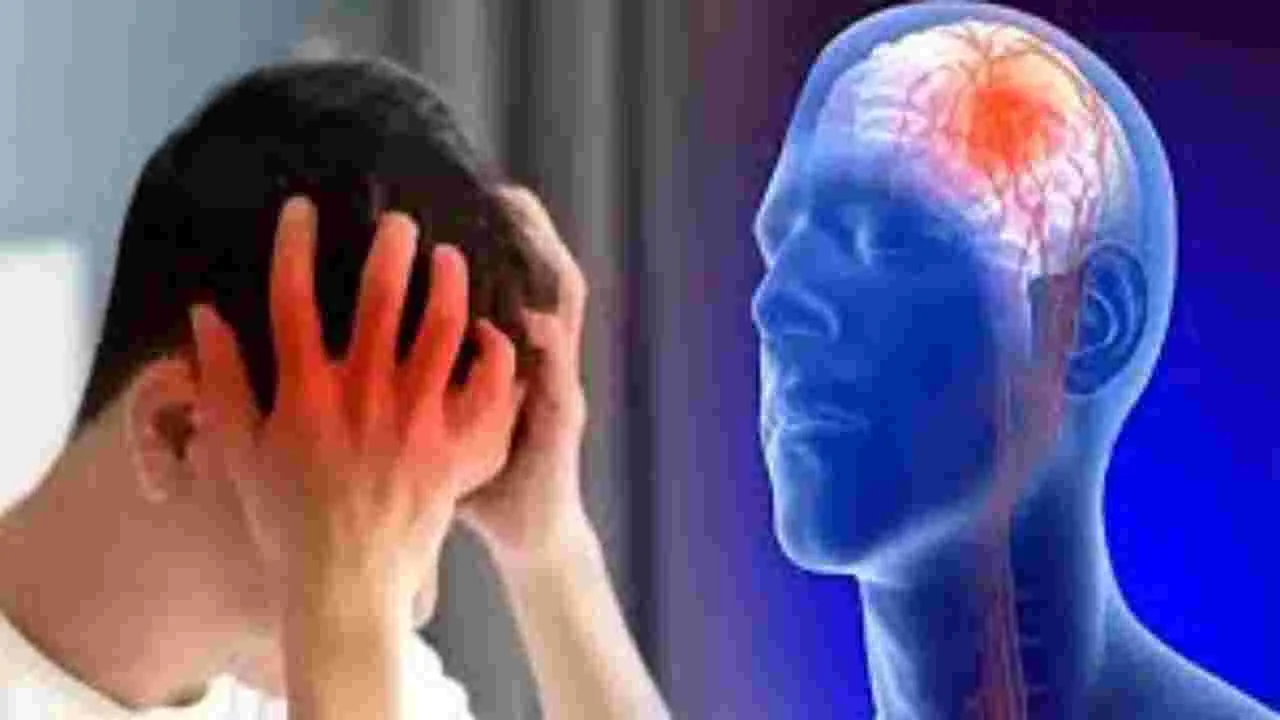
ఇంటర్నెట్ డెస్క్:శీతాకాలంలో కొన్ని ఆరోగ్య సమస్యలు సర్వసాధారణం. ఉష్ణోగ్రత తగ్గినప్పుడు స్ట్రోక్ ప్రమాదం పెరుగుతుంది. కొన్ని అధ్యయనాల ప్రకారం, సగటు ఉష్ణోగ్రత 13 డిగ్రీల సెల్సియస్ కంటే తక్కువగా పడిపోయినప్పుడు ఇస్కీమిక్ స్ట్రోక్ కేసులు పెరుగుతాయి. ఇస్కీమిక్ స్ట్రోక్ అనేది రక్తం గడ్డకట్టడం లేదా మెదడుకు సరఫరా చేసే రక్తనాళంలో అడ్డంకి ఏర్పడటం వల్ల కలిగే స్ట్రోక్, ఇది మెదడు కణాలకు ఆక్సిజన్, పోషకాలు అందకుండా నిరోధిస్తుంది. ఇది మెదడుకు శాశ్వత నష్టాన్ని కలిగిస్తుందని ఆరోగ్య నిపుణులు వివరిస్తున్నారు.
రక్తం గడ్డకట్టే ప్రమాదం:
చల్లని ఉష్ణోగ్రతలు రక్తాన్ని కొద్దిగా మందంగా చేస్తాయి. ఇది గడ్డకట్టే అవకాశాన్ని పెంచుతుంది. గడ్డకట్టడం మెదడుకు రక్త ప్రవాహాన్ని అడ్డుకుంటుంది. ఇది ఇస్కీమిక్ స్ట్రోక్కు దారితీస్తుంది. ఒక అధ్యయనం ప్రకారం, తక్కువ ఉష్ణోగ్రతలు రక్త స్నిగ్ధత, ప్లేట్లెట్ రియాక్టివిటీని పెంచుతాయి. ఇది గడ్డకట్టే ప్రమాదాన్ని పెంచుతుంది.
రక్త నాళాలు సంకుచితం:
చలిగా ఉన్నప్పుడు, శరీరంలో వేడిని నిలుపుకోవడానికి రక్త నాళాలు కుంచించుకుపోతాయి. ఇది రక్తపోటు పెరుగుదలకు దారితీస్తుంది. ఇది హృదయనాళ వ్యవస్థపై అదనపు ఒత్తిడికి దారితీస్తుందని నిపుణులు అంటున్నారు. ప్రపంచ ఆరోగ్య సంస్థ ప్రకారం, అధిక రక్తపోటు స్ట్రోక్కు ప్రధాన ప్రమాద కారకం.
తగినంత నీరు తాగకపోవడం:చాలా మంది శీతాకాలంలో తగినంత నీరు తాగరు. ఇది నిర్జలీకరణాన్ని పెంచుతుంది. ఇది రక్తం గడ్డకట్టడం, ప్లేట్లెట్ అగ్రిగేషన్ను పెంచుతుంది. ఇవి స్ట్రోక్కు రెండు ప్రధాన కారణాలు.
తక్కువ శారీరక శ్రమ:
శీతాకాలంలో మనం ఎక్కువగా వ్యాయామం చేయం. వేడి ఆహారం కూడా తింటాము. దీనివల్ల శారీరక శ్రమ తగ్గుతుంది. దీనివల్ల బరువు పెరుగుతుంది. ఇది అధిక కొలెస్ట్రాల్, అధిక రక్తపోటుకు దారితీస్తుంది. ఇవన్నీ స్ట్రోక్ ప్రమాదాన్ని పెంచుతాయి.
అలసట:
శీతాకాలంలో కఠినమైన పని కారణంగా ఆరుబయట పనిచేయడం వల్ల హృదయ స్పందన రేటు, రక్తపోటు గణనీయంగా పెరుగుతుంది. చలి పరిస్థితుల్లో ఏదైనా ఆకస్మిక శారీరక శ్రమ హృదయనాళ ఒత్తిడికి దారితీస్తుంది. ఇది స్ట్రోక్ ప్రమాదాన్ని కూడా పెంచుతుందని ఆరోగ్య నిపుణులు హెచ్చరిస్తున్నారు.
ఎలాంటి జాగ్రత్తలు తీసుకోవాలి?:
శీతాకాలంలో వివిధ ఆరోగ్య సమస్యలను నివారించడానికి సరైన జాగ్రత్తలు తీసుకోవాలి. క్రమం తప్పకుండా వ్యాయామం చేయండి, కానీ చాలా అలసిపోయే వ్యాయామాలను నివారించండి. పుష్కలంగా నీరు తాగాలి. మీరు చలికాలంలో బయటకు వెళ్తుంటే, చలి నుండి మిమ్మల్ని మీరు రక్షించుకోవడానికి స్వెటర్లను ధరించాలి. రక్తపోటు, గుండె సమస్యలు ఉన్నవారు అదనపు జాగ్రత్తలు తీసుకోవాలి. వీలైనంత వరకు నూనె పదార్థాలు తినకుండా ఉండాలని ఆరోగ్య నిపుణులు సలహా ఇస్తున్నారు.
(Note:ఇందులోని సమాచారం ఇంటర్నెట్ ఆధారంగా మీకు అందించడం జరుగుతుంది. కేవలం మీ అవగాహన కోసమే.. ABN ఆంధ్రజ్యోతి దీనిని ధృవీకరించలేదు )
For MoreLatest News
English Translation
Internet Desk:Some health problems are common during winter. The risk of stroke increases when the temperature drops. According to some studies, cases of ischemic stroke increase when the average temperature drops below 13 degrees Celsius. Ischemic stroke is a stroke caused by a blood clot or blockage in a blood vessel supplying the brain, which prevents brain cells from receiving oxygen and nutrients. Health experts explain that this can cause permanent damage to the brain.
Danger of blood clots:
Cold temperatures make the blood a little thicker. This increases the chance of clotting. A clot blocks blood flow to the brain. This leads to ischemic stroke. According to a study, low temperatures increase blood viscosity and platelet reactivity. This increases the risk of clotting.
Blood vessels constrict:
When it is cold, the blood vessels constrict to retain heat in the body. This leads to an increase in blood pressure. Experts say that this leads to extra stress on the cardiovascular system. According to the World Health Organization, high blood pressure is a major risk factor for stroke.
Not drinking enough water:Many people do not drink enough water in winter. It increases dehydration. It increases blood clotting and platelet aggregation. These are two main causes of stroke.
Less physical activity:
In winter we don't exercise much. We also eat hot food. This reduces physical activity. This causes weight gain. It leads to high cholesterol and high blood pressure. All these increase the risk of stroke.
Fatigue:
Working outdoors due to hard work in winters can significantly increase the heart rate and blood pressure. Any sudden physical activity in cold conditions can lead to cardiovascular stress. Health experts warn that it can also increase the risk of stroke.
What precautions should be taken?:
Proper precautions should be taken to prevent various health problems during winter. Exercise regularly, but avoid strenuous exercise. Drink plenty of water. If you are going out in winter, you should wear sweaters to protect yourself from the cold. People with high blood pressure and heart problems should take extra precautions. Health experts advise to avoid eating oil products as much as possible.
(Note:This information is provided to you based on the internet. It is just for your understanding.. ABN Andhrajyothy has not verified this)
For MoreLatest News