
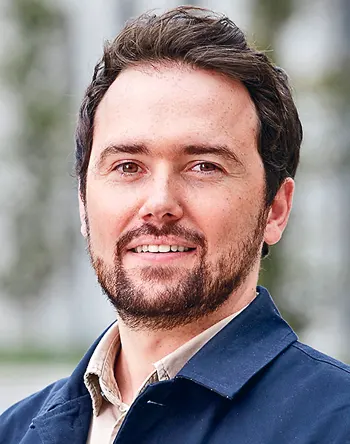
Professor Lucas Chancel: పన్ను విధానాల్లో మార్పే విరుగుడు

- ABC MEDIUM
- ABC LARGE
- ABC EXTRA LARGE

ప్రపంచంలో ఆర్థిక అసమానతలు తగ్గడం లేదు. వివిధ దేశాలు, ధనికులు పేదలు, స్త్రీపురుషులు, విద్య, ఆరోగ్యం.. అన్నింట్లోనూ అంతరాలు పెరుగుతూనే ఉన్నాయి. ప్రపంచ ఆర్థిక వ్యవస్థ ఈ అసమానతలను పెంచి పోషించేలా ఉందనిపారిస్ స్కూల్ ఆఫ్ ఎకనామిక్స్లో సీనియర్ ఆర్థిక శాస్త్రవేత్త ప్రొఫెసర్ లుకాస్ ఛాన్సల్పేర్కొన్నారు. భారతదేశంలోనూ అసమానతలు తీవ్రంగా ఉన్నాయని అన్నారు. అంతరాలు తగ్గకపోవడానికి కారణాలు తదితర అంశాలపై ప్రపంచవ్యాప్తంగా వివిధ విశ్వవిద్యాలయాలు, పరిశోధనా సంస్థలకు చెందిన సుమారు 200 మంది ఆర్థిక శాస్త్రవేత్తలు, గణాంక నిపుణులు కలిసి ‘ప్రపంచ అసమానతల నివేదిక-2026’ను రూపొందించారు. ‘వరల్డ్ ఇనీక్వాలిటీ ల్యాబ్’ ఆధ్వర్యంలో జరిగిన ఈ అధ్యయనానికి లుకాస్, ప్రముఖ ఆర్థికవేత్తలు థామస్ పికెట్టి, రొవాడియా మెస్రిఫ్, రికార్డో నాయకత్వం వహించారు. ఈ అధ్యయన సమన్వయకర్త ప్రొఫెసర్ లుకాస్ ఛాన్సల్‘ఈనాడు ప్రత్యేక ప్రతినిధి’ ఎం.ఎల్.నరసింహారెడ్డికిఇచ్చిన ఇంటర్వ్యూలోని ముఖ్యాంశాలు...
అసమానతలపై అధ్యయనంలో తేలిన ప్రధానాంశాలేంటి?
ప్రపంచ జనాభాలోని మొదటి పదిశాతం మంది ఆదాయం మిగిలిన 90 శాతం మంది ఆదాయం కంటే చాలా ఎక్కువగా ఉంది. దిగువన ఉన్న యాభైశాతం పేదలు మొత్తం ప్రపంచ ఆదాయంలో పదిశాతంలోపే పొందుతున్నారు. సంపద మరింత కేంద్రీకృతమై ఉంది. పైన ఉన్న పదిశాతం మంది మూడోవంతు ప్రపంచ సంపదను కలిగి ఉన్నారు. దిగువన ఉన్న యాభైశాతం మంది చేతిలో ఉన్న సంపద కేవలం రెండుశాతమే. మరింత లోతుగా పరిశీలిస్తే పైన ఉన్న పదిశాతం మందిలో కూడా బాగా శ్రీమంతులైన 0.001 శాతం మల్టీమిలియనీర్స్- మొత్తం ప్రజల్లో సగం మంది చేతిలో ఉన్న సంపదకంటే మూడు రెట్లు ఎక్కువగా కలిగి ఉన్నారు. వీరి వాటా స్థిరంగా పెరుగుతోంది. అత్యంత సంపన్నులైన ఈ 0.001 శాతం(సుమారు 60వేలమంది) సంపద 1995లో 3.8శాతం ఉండగా, 2025 నాటికి 6.1శాతానికి పెరిగింది. దీన్ని బట్టే అసమానతలు ఎంత తీవ్రంగా ఉన్నాయో అర్థం చేసుకోవచ్చు.
ప్రపంచవ్యాప్తంగా వివిధ దేశాలూ జనవర్గాల నడుమ ఆర్థిక అసమానతలు ఏ స్థాయిలో ఉన్నాయి?
సంపదలో అసమానతలు 1990వ దశకం నుంచి తీవ్రరూపం దాల్చాయి. పేదల సంపద వృద్ధిలో ఓ మోస్తరు ప్రగతే కనిపిస్తోంటే, పై అంచెలో ఉన్నవారి సంపద చాలా ఎక్కువగా పెరుగుతోంది. ఫలితంగా ప్రపంచ ఆర్థిక వ్యవస్థపై చాలా కొద్దిమందే ఆధిపత్యం చలాయిస్తున్నారు. మరోవైపు కోట్లమంది కనీస అవసరాలకూ నోచుకోలేకపోతున్నారు. వాతావరణ మార్పుల ప్రభావం విషయంలోనూ అసమానతలున్నాయి. స్త్రీ, పురుషుల మధ్య సైతం తీవ్ర అసమానతలు నెలకొన్నాయి. సగటున పురుషుడు గంటకు సంపాదించే మొత్తంలో మహిళ ఆర్జన 32 శాతం మాత్రమే. ఇంటిపనికి చేసే శ్రమను పరిగణనలోకి తీసుకొంటే ఈ తేడా ఎక్కువగానే ఉంటుంది. మహిళలు ఎక్కువ గంటలు పని చేస్తున్నా, తక్కువగానే ఆర్జిస్తున్నారు. మహిళలు సగటున వారానికి 53 గంటలు పని చేస్తే, పురుషులు 43 గంటలే శ్రమిస్తున్నారు. దేశాల మధ్య సైతం అసమానతలు అధికంగానే ఉన్నాయి. సబ్సహారా ఆఫ్రికాలో ఒక విద్యార్థిపై చేసే ఖర్చుకంటే అమెరికాలో 40 రెట్లు ఎక్కువ. చాలా దేశాల్లో ఇదే పరిస్థితి. ధనిక దేశాలు పేద దేశాల్లో ఎయిడ్ కింద ఖర్చు చేసేది జీడీపీలో 0.3 శాతం మాత్రమే. కానీ ఆయా దేశాల నుంచి తీసుకెళ్తున్నది ఒక శాతందాకా ఉంటోంది. అల్పాదాయ దేశాల్లో విద్య, వైద్యం, వాతావరణ మార్పుల నిరోధక కార్యక్రమాలను చేపట్టే పరిస్థితి కూడా లేదు.
సంపద, ఆదాయాలకు సంబంధించి భారతదేశంలో పరిస్థితేంటి?
ప్రపంచంలో అసమానతలు ఎక్కువగా ఉన్న దేశాల్లో భారత్ ఒకటి. పై అంచెలో ఉన్న పదిశాతం మంది జాతీయ ఆదాయంలో 58 శాతం వాటా కలిగి ఉండగా, దిగువన ఉన్న యాభై శాతం మంది వాటా 15 శాతం మాత్రమే. సంపద అసమానతలు ఇంకా ఎక్కువ. పదిశాతం మంది ధనికులు 65 శాతం సంపదను కలిగి ఉండగా, అగ్రశ్రేణిలోని ఒక శాతం మంది చేతిలో సుమారు 40 శాతం సంపద ఉంది. గడిచిన దశాబ్ద కాలంలో ఈ ఇరువర్గాల నడుమ ఆదాయ వ్యత్యాసాలు స్థిరంగా కొనసాగుతున్నాయి. మహిళా కార్మికుల భాగస్వామ్యం 15.7 శాతం మాత్రమే. మొత్తంగా భారత్లో ఆదాయం, సంపద, స్త్రీపురుష అసమానత్వం తీవ్రంగానే ఉన్నాయి.
అసమానతలను తగ్గించడానికి ఎలాంటి చర్యలు అవసరం?
ప్రభుత్వాలు అసమానతల గురించి మాట్లాడుతూనే ఉన్నా, సంపద మాత్రం కొందరి దగ్గరే మరింతగా పోగుపడుతోంది. పన్నుల విధానంలో ప్రభుత్వాలు ఆధునికతను అందిపుచ్చుకోకపోవడమే ఇందుకు కారణం. ఇక్కడ నేను ప్రపంచంలోని అన్ని ప్రభుత్వాల గురించీ మాట్లాడుతున్నాను. ధనిక, పేద దేశాలనే తేడా లేదు. సమాజం ఎదుర్కొంటున్న వాస్తవిక సవాళ్లను ఎదుర్కోవడానికి అవి సిద్ధంగా లేవు. ఆధునిక ప్రపంచంలో ఆర్థిక వనరుల చలన స్వభావాన్నిబట్టి పెట్టుబడులు ఒక దేశం నుంచి మరొక దేశానికి సులువుగా వెళ్లిపోతున్నాయి. అత్యంత సంపన్నులు పన్ను ఎగవేయడాన్ని ఇది సులభతరం చేస్తుంది. కాబట్టి పన్నుల విధానంలో ఆధునికత అంటే సంపదపై పన్ను విధించడమే. అత్యంత పై స్థాయిలో అసమానతలు విపరీతంగా పెరుగుతుండటంతో ఇలాంటి చర్యలు అవసరం.
ప్రభుత్వాలు గట్టి నిర్ణయాలు తీసుకుని అమలు చేసే పరిస్థితి ఉందా?
ఈ విషయంలో ప్రభుత్వాలు ఇంకా సందేహిస్తున్నాయి. వేచి చూస్తున్నాయి. నిరుటి జీ20 సదస్సులో అత్యంత ధనికుల నుంచి అధిక మొత్తంలో ఆదాయపన్ను వసూలు చేయడంపై నిర్దుష్టమైన ప్రతిపాదనలు రావడం మంచి పరిణామం. ప్రపంచవ్యాప్తంగా శతాధిక కోటీశ్వరులపై రెండుశాతం కనీస పన్ను విధించాలన్న ప్రతిపాదనకు ఇది దారితీసింది. ఇలాంటి వాటిని అన్ని దేశాల్లో స్వచ్ఛందంగా అమలు చేయవచ్చు. ఇవి జరగనంత వరకు అసమానతలు విపరీతంగా పెరుగుతూనే ఉంటాయి. ఇటీవలి కాలంలో ఆరోగ్యం, విద్యపై ఖర్చు పెట్టేందుకు ప్రభుత్వాల దగ్గర వనరులు ఉండటం లేదు. శ్రీమంతుల్లో చాలామంది పన్ను చెల్లించకపోవడం కూడా ఒక కారణమే. వారి నుంచి పన్నులు వసూలు చేస్తే ప్రజోపయోగ కార్యక్రమాలకు వనరులు పెరుగుతాయి. ప్రపంచవ్యాప్తంగా జరిగిన సర్వేలన్నింట్లో అన్ని వర్గాలకు చెందిన అత్యధిక ప్రజలు ఈ విధానాలకు మద్దతు తెలిపారు. నాయకులు మాత్రం దీనికి సిద్ధంగా ఉన్నట్లు లేదు. కానీ ఏదో ఒక సమయంలో వాళ్లు కూడా ఒప్పుకొంటారు. నూతన పన్ను విధానాలే కాకుండా ప్రభుత్వాల దన్నుతో ప్రపంచవ్యాప్తంగా అసమానతల తగ్గింపును పర్యవేక్షించడానికి అంతర్జాతీయ సంస్థలు ఏర్పాటు కావాలి.
► Read latest Editorial Newsand Telugu News► Follow us on Facebook, Twitter, Instagram& Google News. Tags :గమనిక:ఈనాడు.నెట్లో కనిపించే వ్యాపార ప్రకటనలు వివిధ దేశాల్లోని వ్యాపారస్తులు, సంస్థల నుంచి వస్తాయి. కొన్ని ప్రకటనలు పాఠకుల అభిరుచిననుసరించి కృత్రిమ మేధస్సుతో పంపబడతాయి. పాఠకులు తగిన జాగ్రత్త వహించి, ఉత్పత్తులు లేదా సేవల గురించి సముచిత విచారణ చేసి కొనుగోలు చేయాలి. ఆయా ఉత్పత్తులు / సేవల నాణ్యత లేదా లోపాలకు ఈనాడు యాజమాన్యం బాధ్యత వహించదు. ఈ విషయంలో ఉత్తర ప్రత్యుత్తరాలకి తావు లేదు.
English Translation

Professor Lucas Chancel: Antidote to changing tax policies

- ABC MEDIUM
- ABC LARGE
- ABC EXTRA LARGE

Economic inequality is not decreasing in the world. Different countries, rich and poor, men and women, education, health. Professor Lucas Chancel, a senior economist at the Paris School of Economics, said that the world economy tends to increase these inequalities. He said that inequality is also severe in India. About 200 economists and statisticians from various universities and research institutes around the world have prepared the 'World Inequality Report-2026' on the reasons for the non-reduction of gaps. Lucas, leading economists Thomas Piketty, Rovadia Mesrif and Ricardo led the study under the auspices of the 'World Inequality Lab'. The highlights of the interview given by the coordinator of this study, Professor Lucas Chancellor, to 'Today's Special Correspondent' ML Narasimha Reddy...
What are the main findings of the study on inequalities?
The income of the top ten percent of the world's population is much higher than the income of the remaining 90 percent. The bottom fifty percent of the poor receive less than ten percent of total global income. Wealth is more concentrated. The top ten percent own a third of the world's wealth. The wealth held by the bottom fifty percent is only two percent. Looking deeper, even among the top 10 percent are the super-wealthy 0.001 percent of multimillionaires—who have more than three times as much wealth as half of the population. Their share is steadily increasing. The wealth of the richest 0.001 percent (about 60 thousand people) will increase from 3.8 percent in 1995 to 6.1 percent by 2025. This gives an idea of how severe the disparities are.
What is the level of economic inequality between populations in different countries around the world?
Inequality in wealth has worsened since the 1990s. While there is a moderate growth in the wealth of the poor, the wealth of those at the top is growing at a much higher rate. As a result, the global economy is dominated by a very few. On the other hand, crores of people are unable to meet even the minimum requirements. There are also differences in the impact of climate change. There are serious inequalities between men and women. On average, a woman earns only 32 percent of what a man earns per hour. The difference is even greater if the labor involved in housework is taken into account. Women work longer hours but earn less. Women work an average of 53 hours a week, while men work only 43 hours. Even among the countries there is a lot of disparity. Spending per student in the US is 40 times higher than in sub-Saharan Africa. This is the situation in many countries. Rich countries spend only 0.3 percent of GDP on aid in poor countries. But what is taken from those countries is up to one percent. In low-income countries, there is no condition to undertake education, health and climate change prevention programs.
What is the situation in India regarding wealth and income?
India is one of the most unequal countries in the world. The top ten percent share 58 percent of the national income, while the bottom fifty percent share only 15 percent. Wealth inequality is even greater. The richest 10 percent own 65 percent of the wealth, while the top one percent own about 40 percent. The income gap between these two groups has remained constant over the past decade. The participation of women workers is only 15.7 percent. Income, wealth and gender inequality in India as a whole remain severe.
What measures are needed to reduce inequalities?
While governments talk about inequality, wealth is increasingly concentrated among the few. The reason for this is that the governments have not introduced modernity in the taxation system. Here I am talking about all the governments of the world. There is no difference between rich and poor countries. They are not ready to face the real challenges facing the society. Due to the mobile nature of financial resources in the modern world, investments move easily from one country to another. It makes it easier for the super rich to avoid tax. So modernity in taxation means taxation of wealth. Such measures are necessary as inequality at the highest level is increasing exponentially.
Is there a situation where governments take firm decisions and implement them?
Governments are still doubtful in this regard. Waiting. It is a good development that specific proposals on collecting high amount of income tax from the very rich are coming in the recent G20 conference. This led to a proposal to impose a 2% minimum tax on the millionaires worldwide. These can be implemented voluntarily in all countries. Until this happens the odds will continue to grow exponentially. In recent times, governments have not had the resources to spend on health and education. One of the reasons is that many of the rich do not pay tax. If taxes are collected from them, resources will increase for utility programs. A majority of people from all walks of life have supported these policies in surveys conducted around the world. Leaders are not ready for this. But at some point they will also agree. Apart from new tax policies, international organizations should be set up to monitor the reduction of global inequality through governments.
► Read latest Editorial Newsand Telugu News► Follow us on Facebook, Twitter, Instagram& Google News. Tags :Note:Business advertisements appearing on Eenadu.net are different It comes from businessmen and organizations in countries. Some ads are sent with artificial intelligence based on the reader's preferences. Readers should exercise due care and make appropriate inquiries about products or services before purchasing. The respective products/ OWNER TODAY IS NOT RESPONSIBLE FOR THE QUALITY OR FAILURES OF THE SERVICES. There is no room for correspondence in this regard.


