- కొత్త చట్టంలో పనికి హామీ లేదు.. చెల్లింపులకు బాధ్యత లేదు
- ఇకపై కేంద్రం ఇష్టం.. ఎవరికెన్ని నిధులివ్వాలో నిర్ణయం వారిదే
- రాజకీయంగా దుర్వినియోగమయ్యే ప్రమాదం
- రాష్ట్రాలపై భారం.. 125 రోజుల పని పక్కదారి పట్టించే ఎత్తుగడ
- ఏడాది చర్చించి గత చట్టం.. ఇప్పుడు ఎంపీలకే చెప్పకుండా బిల్లు
- కొత్త పథకం అమలును ఆలస్యం చేయాలి
- రాష్ట్రాలు కేంద్రంపై ఒత్తిడి తేవాలి.. సామాజిక ఆర్థికవేత్త జీన్ డ్రేజ్
- యూపీఏ పాలనలో నరేగా రూపకర్తల్లో ఒకరు
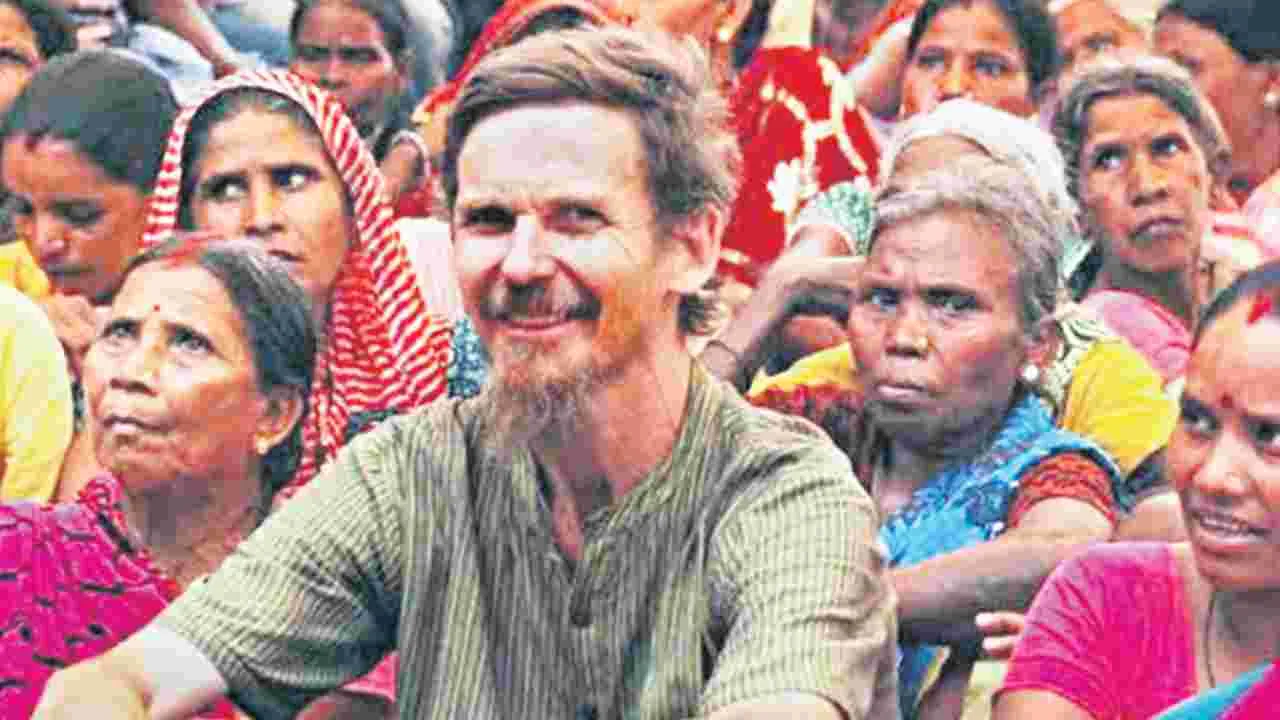
హైదరాబాద్, డిసెంబరు 19, (ఆంధ్రజ్యోతి): జీన్ డ్రేజ్.. 2005లో యూపీఏ ప్రభుత్వ హయాంలో తెచ్చిన మహాత్మాగాంధీ జాతీయ గ్రామీణ ఉపాధి హామీ పథకం రూపకల్పనకు కారణమైన వారిలో ఒకరు. అదొక్కటే కాదు. యూపీఏ ప్రభుత్వ కీలక పథకాలకు రూపకల్పన చేసిన జాతీయ సలహా మండలి సభ్యుడు. నోబెల్ పురస్కార గ్రహీత అమర్త్యసేన్తో కలిసి పుస్తకాలు రచించారు. బెల్జియంలో పుట్టినా భారతదేశాన్ని తన కర్మభూమిగా ఎంచుకొని ఇక్కడే జీవిస్తున్నారు. అనేక సామాజిక ఉద్యమాల్లో పాల్గొన్నారు. భారతీయ సంక్షేమ ఆర్థికవేత్త. సామాజిక సంక్షేమం, పేదరికం, లింగ వివక్ష తదితర అంశాలపై పని చేశారు. మనిషి అత్యంత సాధారణం. సైకిల్పై గ్రామాల్లో పర్యటిస్తుంటారు. ప్రస్తుతం జార్ఖండ్లో సామాజిక సమస్యల పరిష్కారంపై పని చేస్తున్నారు. ప్రస్తుత ఎన్డీఏ ప్రభుత్వం మహాత్మాగాంధీ జాతీయ గ్రామీణ ఉపాధి హామీ చట్టాన్ని రద్దుచేసి, కొత్తగా విజ్జీ రామ్జీ చట్టం తేవడంపై ఆయన ఏమంటున్నారన్నది ఆసక్తికరం. ఈ నేపథ్యంలోనే ఆంధ్రజ్యోతి శుక్రవారం ఆయనను ప్రత్యేకంగా ఇంటర్వ్యూ చేసింది. వివరాలు ఇవి..
ఎంజీ నరేగా రూపకల్పనలో మీరూ పాలుపంచుకున్నారు. కొత్తగా తెచ్చిన వికసిత్ భారత్ గ్యారంటీ ఫర్ రోజ్గార్ అండ్ అజీవికా మిషన్ (వీబీజీ-రామ్జీ)కి పాత చట్టానికితేడాలేంటి?
1) నరేగాను రద్దు చేశా రు. దీంతో పాత చట్టం, దానికి అనుసంధానంగా ఉన్న మొత్తం పథకాలు, నిబంధనలు, మార్గదర్శకాలు అన్నీ రద్దవుతాయి. 2) కొత్త చట్టం ప్రకారం అమలుచేసే పథకం కేంద్ర ప్రాయోజిత పథకం(సీఎ్సఎస్). ఇది మొత్తం కేంద్రం చేతిలో ఉంటుంది. ఎక్కడ, ఎవరికి, ఎంత నిధులివ్వాలి అన్నది కేంద్రం ఇష్టం. కేంద్రం కొన్ని రాష్ట్రాలకు నిధులు ఇవ్వొచ్చు. మరికొన్ని రాష్ట్రాలకు ఇవ్వకపోవచ్చు. 3) కొత్త చట్టం ప్రకారం కేంద్రానికి బాధ్యత ఉండదు. ఆర్థిక బాధ్యతతో పాటు అన్ని బాధ్యతలు రాష్ట్రాలవే. 4) నిధుల కేటాయింపు కోసం ఒక పరిమితి పెడుతోంది. ఆ పరిమితిలో కూడా కేంద్రం 60ు భరిస్తే రాష్ట్రాలు 40ు నిధులు ఇవ్వాలి. ఆ పరిమితి దాటితే 100ు నిధుల్ని రాష్ట్రాలే భరించాలి. 5) కొత్త చట్టం తేవడానికి అనుసరించిన ప్రక్రియ కూడా అభ్యంతరకరం. ఎంపీలకు కూడా చెప్పకుండా హఠాత్తుగా బిల్లు పెట్టారు. అదేరోజు ఆమోదం పొందేలా చూశారు. 20ఏళ్ల క్రితం నరేగా తెచ్చినప్పుడు ఒక ఏడాది చర్చల కోసం పెట్టారు. అనేక సంస్థలు, అంతర్జాతీయ సంస్థలు, మంత్రిత్వ శాఖలు, స్టాండింగ్ కమిటీలు అందులో పాలు పంచుకున్నాయి. అంతా ఏకగ్రీవంగా చేశారు. ఇప్పుడు అదేమీ లేదు.
ప్రతిపక్ష పార్టీలు అధికారంలో ఉన్నచోట ఇబ్బందులు, అధికార పార్టీ ఉన్నచోట అంతా సవ్యంగానే ఉంటుందంటారా?
రాజకీయ అవసరాల కోసం కేంద్రం చేతిలో ఉన్న అధికారం దుర్వినియోగం అయ్యే అవకాశాలున్నాయి. ఏ రాష్ట్రానికి ఎంత, ఎందుకు కేటాయిస్తున్నామో కొత్త చట్టం ప్రకారం కారణాలు చెప్పక్కర్లేదు. సాధారణంగా అవి రాజకీయ పరమైన కారణాలే ఉంటాయి. తొలుత ప్రతిపక్ష పాలిత రాష్ట్రాలకే ఇబ్బంది అనుకున్నా తర్వాత క్రమంగా అన్ని రాష్ట్రాలకూ భారంగానే మారుతుంది. ఏ పార్టీ అధికారంలో ఉన్నా ఎంతోకొంత భారం పడుతుంది.
రాష్ట్ర ప్రభుత్వాలు ఉపాధి కోసం 40ు నిధులు పెట్టలేవా?
కొన్ని రాష్ట్రాలు భరించగలవు. కానీ కచ్చితంగా రాష్ట్రాలపై ఈ భారం మోపడం, వాటిపై చట్టపరమైన బాధ్యత బాధ్యత పెట్టడం చాలా అసమంజసం. ఎందుకంటే ఉపాధి హామీ పథకం ఇప్పటివరకు చాలా క్రియాశీల కార్యక్రమం. దేశవ్యాప్తంగా పెద్ద స్థాయిలో అమలవుతున్న పెద్ద పథకం ఇదే. కేంద్రమే నిధులిచ్చింది కాబట్టి. కేంద్రం నిధుల సమీకరణకు డబ్బు ప్రింట్ చేసుకోవచ్చు. అప్పులు తెచ్చుకోవచ్చు. రాష్ట్రాలు అలా కాదు. అవి ఒక పరిమితికి మించి అప్పులు తేలేవు. పేద రాష్ట్రాల పరిస్థితి మరీ ఘోరంగా ఉంటుంది. ఇలాంటి పరిస్థితుల్లో ఈ పథకంపై పెట్టే ఖర్చు తగ్గిపోతుంది. వేతనాల చెల్లింపులు ఆలస్యం అవుతాయి. కార్మికులకు పని దొరకక పోవచ్చు. అంతేకాదు.. వీరికి ఇక్కడే పని దొరక్కపోతే బయటి పనుల్లో ఇచ్చే వేతనాలను తగ్గించేస్తారు. ఇవన్నీ ప్రమాదకర పరిణామాలు.
వీబీజీ-రామ్జీ చట్టంతో ఏటా కార్మికులకు ఉపాధి కల్పించే రోజుల్ని 100నుంచి 125కి పెంచారు కదా?
ఇది కేవలం ప్రజల దృష్టి మళ్లించడానికే. దానివల్ల ఏం ప్రయోజనం ఉండదు. 100 రోజుల పాటు ఈ పథకాన్ని ఉపయోగించుకున్న కార్మికులు కేవలం రెండు శాతమే. కేవలం ఆ రెండు శాతం మంది దీన్నించి కొంత లబ్ది పొందుతారు. 98ు మందికి నష్టమే. అసలు ఉన్న 100 రోజులకు నిధుల్ని కోసేసి, రాష్ట్ర ప్రభుత్వాలపై భారం వేసి, 125 రోజులకు పని దినాలు పెంచాం అనడంలోనే తేడా ఉంది. ఈ అంశం కేవలం ఉన్న పథకాన్ని మారుస్తున్నాం తప్ప, పూర్తిగా రద్దు చేయలేదు అన్న భావనను ప్రజల్లో కల్పించేందుకే పెట్టారు.
ఎంజీ నరేగాలో నాణ్యమైన మౌలిక సదుపాయాల కల్పన అంతగా జరగలేదనే వాదనా ఉంది కదా?
లేదు. చాలా చోట్ల మంచి పనులు జరిగాయి. ఉదాహరణకు జార్ఖండ్ లాంటి రాష్ట్రంలో లక్ష బావులు తవ్వారు. చాలా మంచి ఆస్తుల కల్పన దేశవ్యాప్తంగా జరిగింది. తెలంగాణలోనూ మౌలిక వసతులు, ప్రతి గ్రామంలోనూ సిమెంటు రోడ్లు లాంటివి సమకూరాయి. వరంగల్ జిల్లా అక్కపల్లిగూడెంలో అనేక నీటి పరిరక్షణ పనులు ఉపాధి హామీ కింద చేశారు.
కొత్తచట్టంపై మీ ప్రధాన అభ్యంతరం ఏంటి? దానిలో ఏవైనా సవరణలు సూచిస్తారా?
పాత చట్టంలోని అత్యంత కీలకమైన అంశాన్ని, ఆ చట్టం తేవడానికి ప్రేరకమైన అంశాలను కొత్త చట్టం రద్దు చేసేసింది. దేశవ్యాప్తంగా ఉన్న పేదవారికి, అడిగినన్ని రోజులు, వారు డిమాండ్ చేసినన్ని రోజులు పని ఇవ్వాలనేది పాత చట్టం రూపకల్పనకు ఆత్మ. ఈ కొత్త చట్టం ఆ ఆత్మను రద్దు చేసింది. అంతేకాదు.. అడిగినన్ని రోజులు పని ఇవ్వడమే కాదు.. పని ఇస్తామన్న హామీ పాత చట్టంలో ఉంది. దాన్ని కూడా కొత్త చట్టం పాతరేసేసింది. కొత్త చట్టంలోని సెక్షన్ 5(1)ప్రకారం ఎప్పుడు, ఎక్కడ ఈ పథకం అమలవుతుందనే విచక్షాధికారం కేంద్రం చేతిలో ఉంటుంది. అంటే అమలు అనేది కేంద్రం ఇష్టం. అంటే అమలుకు హామీ లేదు. హామీ ఇస్తున్నామంటూనే.. ఆ హామీకే హామీ లేకుండా చేసే చట్టం ఇది. అందుకే దీనిలో సవరణలు కాదు. ఈ కొత్త చట్టం రద్దు చేయాలి. సంస్కరణలు అవసరమైతే గత చట్టం పరిధిలో చేయాలి. కొత్తది ఎందుకూ ప్రయోజకరం కాదు.
పేదలకు ఉపయోగపడే ఖర్చును పెంచడానికి ప్రభుత్వాలు ఏది చేస్తే మంచిది?
సామాజిక ఫించను పథకాలు ఇలాంటివి ఇప్పటికే అమలు జరుగుతున్నాయి. ప్రత్యేకించి ఆరోగ్య, విద్యా రంగాలపై ప్రభుత్వాలు దృష్టి పెట్టాలి. ఆరోగ్యంపై ప్రభుత్వ వ్యయం పేదలకు ఊరటనిస్తుంది. విద్యపైన వ్యయం భవిష్యత్తులో మంచి ఫలితాలు ఇస్తుంది.
కేంద్ర ప్రభుత్వం కొత్త చట్టం విషయంలో ముందుకే వెళ్లిపోతుంది కదా? రాష్ట్ర ప్రభుత్వాలు చేసేది ఏముంటుంది?
కొత్త చట్టంపై చాలా ఆందోళనలు జరుగుతున్నాయి. రైతు సంఘాలు, కార్మిక సంఘాలు. ప్రతిపక్షాలు నిరసన తెలుపుతున్నాయి. అయితే కొత్త పథకం అమల్లోకి వచ్చేంతవరకు పాత నరేగా చట్టం కొనసాగుతుంది. కాబట్టి రాష్ట్ర ప్రభుత్వాలు కొత్త పథకం అమల్లోకి రావడం ఆలస్యం చేసేందుకు ప్రయత్నించాలి.
ఉపాధి కల్పన కోసం మీరు ప్రతిపాదించిన డ్యూయట్ (డీయూఈటీ) పథకంపై వివరిస్తారా?
ఇది గ్రామాల్లో ఉపాధి హామీ పథకం ఎలాగో పట్టణాల్లో పేదల కోసం అన్న మాట. వికేంద్రీకృత పట్టణ ఉపాధి, శిక్షణ పథకం(డీయూఈటీ) కింద ప్రభుత్వం పట్టణ ప్రాంతాల్లోని పాఠశాలలు, ఆస్పత్రులు, విద్యా కేంద్రాలు, మున్సిపల్ కార్యాలయాలు తదితర సంస్థలకు జాబ్ స్టాంపులు ఇస్తుంది. ఆయా సంస్థలు సదరు స్టాంపులను తమ దగ్గర కార్మికులతో పని చేయించుకుని వారికిస్తాయి. ఆయా సంస్థల్లోని క్లీనింగ్, నిర్వహణ లాంటి పనులు కార్మికులు చేస్తారు. దీనికి ప్రతిగా సంస్థలు జాబ్ స్టాంపులు, పనిచేసిన ధ్రువీకరణ పత్రాలిస్తాయి. వాటిని కార్మికులు తమ బ్యాంకు ఖాతాల దగ్గర సమర్పిస్తే వారి ఖాతాల్లో ఆ మేరకు వేతనాలు పడతాయి. పట్టణ మహిళా కార్మికులు, తక్కువ ఆదాయం ఉన్న గృహిణులకు ఇది మరింతగా ఉపయోగపడుతుంది.
English Translation
- There is no guarantee of work in the new law.. no responsibility for payments
- Now it is up to the center.. the decision to give who and how much funds is theirs
- Danger of political abuse
- Burden on the states.. 125 days of work is a move to sidestep
- The last law was discussed for a year.. Now the bill without telling the MPs
- Implementation of the new scheme It should be delayed
- States should put pressure on the Centre.. Socio-Economist Jean Drage
- One of the designers of Narega during the UPA regime
Hyderabad, December 19, (Andhra Jyoti): Jean Drage.. One of the people responsible for designing the Mahatma Gandhi National Rural Employment Guarantee Scheme brought by the UPA government in 2005. That's not all. He was a member of the National Advisory Council which formulated the key schemes of the UPA government. He has written books with Nobel laureate Amartyasen. Although born in Belgium, he chooses India as his homeland and lives here. Participated in many social movements. Indian welfare economist. Worked on social welfare, poverty, gender discrimination etc. Man is the most common. They visit the villages on a bicycle. Currently working on solving social problems in Jharkhand. It is interesting to see what he has to say about the current NDA government repealing Mahatma Gandhi's National Rural Employment Guarantee Act and introducing the new Vijji Ramji Act. In this context, Andhra Jyoti interviewed him exclusively on Friday. These are the details..
You also participated in the design of MG Narega. What is the effect of the new Vikasit Bharat Guarantee for Livelihood and Livelihood Mission (VBG-Ramji) on the old law?
1) NREGA has been repealed. With this, the old law and all the related schemes, rules and guidelines will be repealed. 2) The scheme implemented under the new Act is Centrally Sponsored Scheme (CSS). It is all in the hands of the Centre. Where, to whom and how much funds should be given is up to the Centre. Center can give funds to some states. Some states may not. 3) Center will not be liable under the new Act. Apart from the financial responsibility, all the responsibilities are with the states. 4) Placing a limit for allocation of funds. Even within that limit, if the center bears 60, the states should give 40 funds. If that limit is exceeded, 100 funds will be borne by the states. 5) The procedure followed for enacting the new law is also objectionable. The bill was suddenly introduced without even telling the MPs. They tried to get approval on the same day. 20 years ago when it was brought as Narega, it was set for one year of negotiations. Many organizations, international organizations, ministries and standing committees have participated in it. Everything was done unanimously. Now there is no such thing.
Where the opposition parties are in power, will there be problems and when the ruling party is there, everything will be fine?
There is a possibility that the power in the hands of the center will be misused for political purposes. According to the new law, reasons are not to be given as to how much and why is being allocated to any state. Usually they are for political reasons. At first it was thought to be a problem for the opposition-ruled states, but gradually it became a burden for all the states. No matter which party is in power, there will be a lot of burden.
Can't state governments fund 40 for employment?
Some states can afford it. But it is absolutely unreasonable to put this burden on the states, to impose legal liability on them. Because the Employment Guarantee Scheme is the most active program so far. This is a big scheme that is being implemented on a large scale across the country. Since the center funded it. The center can print money to raise funds. Loans can be obtained. States are not like that. They cannot carry debts beyond a certain limit. The condition of poorer states is worse. In such situations, the cost of this scheme will be reduced. Salary payments are delayed. Workers may not find work. Moreover.. if they do not find work here, they reduce the wages given in outside jobs. All these are dangerous consequences.
With the VBG-Ramji Act, the number of days of employment for workers has been increased from 100 to 125 every year?
This is just to divert people's attention. What is the point of that? Only two percent of the workers availed the scheme for 100 days. Only those two percent will get some benefit from it. 98 is a loss for people. The difference is that we have cut the funds for the original 100 days, burdened the state governments and increased the working days to 125 days. This point is made to create a feeling among the people that the existing scheme is only being changed, but not completely cancelled.
There is an argument that the construction of quality infrastructure in MG Narega has not been done that much?
No. Good work has been done in many places. For example, in a state like Jharkhand, one lakh wells have been dug. A lot of good property creation has taken place across the country. Telangana also has infrastructure facilities like cement roads in every village. Many water conservation works have been done in Akkapalligudem of Warangal district under employment guarantee.
What is your main objection to the new law? Would you suggest any amendments in it?
The new law repealed the most important aspect of the old law, the elements that motivated the enactment of that law. The soul of the old law was to give work to the poor all over the country, as many days as they asked, as many days as they demanded. This new law abolished that spirit. Moreover.. not only work is given for the number of days asked.. there is a guarantee of work in the old law. The new law has abolished that too. According to Section 5(1) of the new Act, the Center has discretion over when and where the scheme will be implemented. That means the implementation is up to the Centre. That means there is no guarantee of implementation. This is a law that promises without guarantee. Hence no amendments in it. This new law should be repealed. Reforms, if necessary, should be made within the framework of the previous law. Why new is not useful.
What should the government do to increase the spending for the poor?
Social finance schemes like this are already being implemented. Governments should focus especially on health and education sectors. Government spending on health is a relief to the poor. Expenditure on education will yield good results in future.
Isn't the central government going ahead with the new law? What will the state governments do?
There are many concerns about the new law. Farmers Unions, Labor Unions. The opposition is protesting. But the old Narega Act will continue until the new scheme comes into force. So the state governments should try to delay the implementation of the new scheme.
Would you explain about the proposed DUET (DUET) scheme for employment generation? Under the Decentralized Urban Employment and Training Scheme (DUTE), the government provides job stamps to schools, hospitals, educational centers, municipal offices and other institutions in urban areas. The respective companies get their workers to work with them and give them the stamps. The workers do cleaning and maintenance work in the respective institutions. In return, the organizations provide job stamps and work certificates. If they are submitted by the workers in their bank accounts, the wages will be credited to their accounts. It is more useful for urban women workers and low income housewives.