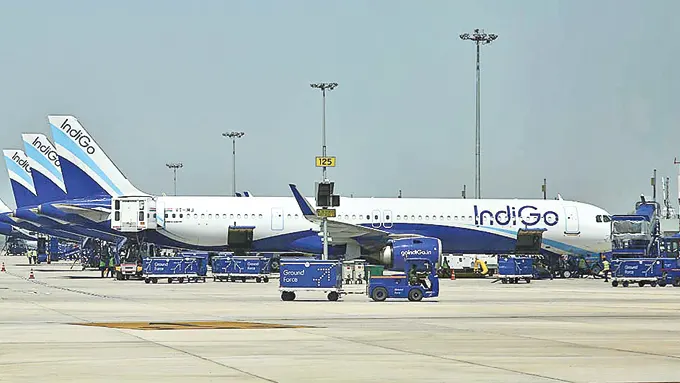
రద్దీని బట్టి రేట్లు... ప్రయాణికులకు పాట్లు!

- A
- A+
- A++
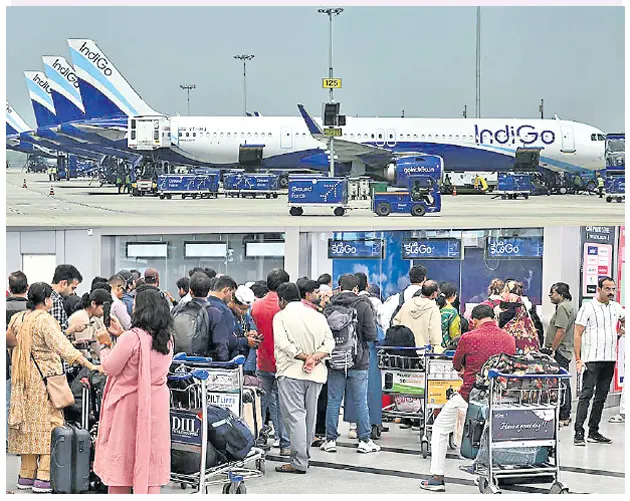
ఇండిగో సంస్థ విమానాలను రద్దు చేయడంతో ఇటీవల ప్రయాణికులు నరకయాతన అనుభవించారు. దేశీయ పౌర విమానయాన విపణిలో ఆ సంస్థ తన ఆధిపత్యాన్ని దుర్వినియోగం చేసిందా అన్నదానిపై కాంపిటీషన్ కమిషన్ ఆఫ్ ఇండియా(సీసీఐ) దర్యాప్తు జరపనుంది. అయితే, ప్రయాణికుల డిమాండ్ను ఆసరాగా చేసుకుని ఇండిగోతో పాటు ఇతర సంస్థలు అప్పట్లో టికెట్ రేట్లను విపరీతంగా పెంచేశాయి. ఈ అడ్డగోలు దోపిడికి అడ్డుకట్ట వేయడమెలా?

దోపిడికి రాచబాట
ఇండియాలో పౌరవిమానాలు ఇప్పుడు 85 నుంచి 90శాతం ఆక్యుపెన్సీతో నడుస్తున్నాయి. అవి ఏదో ఒక్క సీజనుకే పరిమితం కావడంలేదు. అలాంటప్పుడు డైనమిక్ ధరల విధానం అమలు చేయడమంటే అధిక లాభాల కోసం ప్రయాణికుల జేబులు కొల్లగొట్టడమే అవుతుంది. ముఖ్యంగా పండుగలు, పెళ్లిళ్లు, సెలవులు, అత్యవసర సమయాల్లో ధరలు పెంచేయడం నిజంగా అన్యాయం. భారత్ వంటి సువిశాల దేశంలో అత్యవసర సమయాల్లో దూరాభారాలకు వెళ్లడానికి సకాలంలో రైళ్లు దొరక్కపోవచ్చు. పరీక్షలు రాసే విద్యార్థులు, ఇంటర్వ్యూలకు వెళ్లే ఉద్యోగార్థులు, నిర్ణీత సమయానికి పనిలో చేరాల్సిన ఉద్యోగులు, వైద్య చికిత్సల కోసం వెళ్లాల్సిన రోగులు, వారి బంధువులు రైలు దొరకలేదని తమ ప్రయాణాలను వాయిదా వేసుకోలేరు. తప్పనిసరిగా విమానం ఎక్కాల్సిందే. వారి అవసరాన్ని సొమ్ము చేసుకోవడానికి విమాన సంస్థలు టికెట్ ధరలను అమాంతం పెంచేయడం సరికాదు. మార్కెట్లో పోటీ ప్రయాణికులకు లాభదాయకమవుతుందనే సూత్రం భారతీయ విమానయాన విపణిలో తలకిందులవుతోంది.
చాలాదేశాల్లో విమానయాన సంస్థలు ప్రయాణికులను దోచుకున్న అనుభవాలు గతంలోనే ఎదురయ్యాయి. దాన్ని నియంత్రించడానికి ఆయా దేశాలు పకడ్బందీ నిబంధనలు తెచ్చాయి. చైనాలో ప్రైస్ బ్యాండ్ పద్ధతి అమలులో ఉంది. దాని ప్రకారం విమాన టికెట్లకు కనిష్ఠ, గరిష్ఠ ధరలను నిర్ణయిస్తారు. గిరాకీని బట్టి టికెట్లు ఆ నిర్ణీత ధరల మధ్యనే ఉండాలి. అనేక ఆగ్నేయాసియా దేశాలు గిరాకీ ఎక్కువగా ఉండే రోజుల్లో, రద్దీ రూట్లలో విమాన టికెట్ రేట్లపై పరిమితి విధిస్తాయి. ఐరోపాలో ధరల నిర్ణయంలో విమాన సంస్థలకు స్వేచ్ఛనిచ్చినా వినియోగదారుల హక్కుల రక్షణ చట్టాలనూ అంతే పక్కాగా అమలు చేస్తారు. అమెరికాలోనూ టికెట్ ధరల విషయంలో విమానయాన సంస్థలకు స్వేచ్ఛనిచ్చినా- అక్కడ విమానాలు, విమానాశ్రయాలు, ప్రయాణికుల సంఖ్య చాలా ఎక్కువ. ఇలా మార్కెట్లో విపరీతమైన పోటీ ఉండటంతో విమాన సంస్థలు తక్కువ ధరలతో ప్రయాణికులను ఆకర్షించడానికి ప్రయత్నిస్తాయి. సంక్షోభ సమయాల్లో ప్రభుత్వం ఎటూ జోక్యం చేసుకుంటుంది. అయితే, పోటీ తక్కువగా ఉండి, కొత్త సంస్థల ప్రవేశానికి అడ్డంకులు ఎక్కువగా ఉండే భారత్ వంటి దేశాల్లో విమాన టికెట్ ధరల నిర్ణయంలో ఎయిర్లైన్స్లకు స్వేచ్ఛనిచ్చే విధానం ఎంతమాత్రం సమర్థనీయం కాదు.
విద్యుత్ రంగంలో ఉన్నట్లుగా...
భారతదేశానికి ప్రైస్ బ్యాండ్ విధానం అన్నివిధాలా ఉత్తమంగా ఉంటుంది. దీనికింద కనీస ధర (ఫ్లోర్ ప్రైస్), గరిష్ఠ(సీలింగ్)ధరను నిర్ణయించాలి. విమానయాన సంస్థలు ఎదుటివారిని దెబ్బకొట్టడానికి ధరలను మరీ తగ్గించకుండా ఫ్లోర్ప్రైస్ నివారిస్తుంది. గిరాకీ ఎక్కువగా ఉండే సీజనులో ధరలను పెంచేయకుండా సీలింగ్ ఆపుతుంది. ఈ కనిష్ఠ, గరిష్ఠ ధరల మధ్య తమకు అనువైన టికెట్ రేటును నిర్ధారించే స్వేచ్ఛను విమానయాన సంస్థలకివ్వాలి. ఈ పద్ధతి భారతదేశానికి కొత్తేమీ కాదు. విద్యుత్ రంగంలో ఇప్పటికే ఉంది. మన విద్యుత్ విపణిలో యూనిట్ ధర గరిష్ఠంగా రూ.10కి మించకూడదు. కనీస, గరిష్ఠ ధరలు మార్కెట్ను దెబ్బతీయవు, దాన్ని స్థిరీకరిస్తాయి. ప్రభుత్వం విమాన టికెట్లకు అనధికారికంగా కనిష్ఠ, గరిష్ఠ ధరలను సూచించినా, విమాన సంస్థలు గరిష్ఠ ధరలకే టికెట్లు విక్రయిస్తున్నాయి. అందువల్ల ప్రభుత్వం క్షేత్రస్థాయిలో టికెట్ ధరలను నియంత్రించాలి. విమాన సంస్థల వ్యాపార సామర్థ్యాన్ని, లాభదాయకతను, ప్రయాణికుల ప్రయోజనాలను దృష్టిలో ఉంచుకుని సమతూకమైన టికెట్ ధరల పద్ధతిని ప్రభుత్వం అమలు చేయాలి.
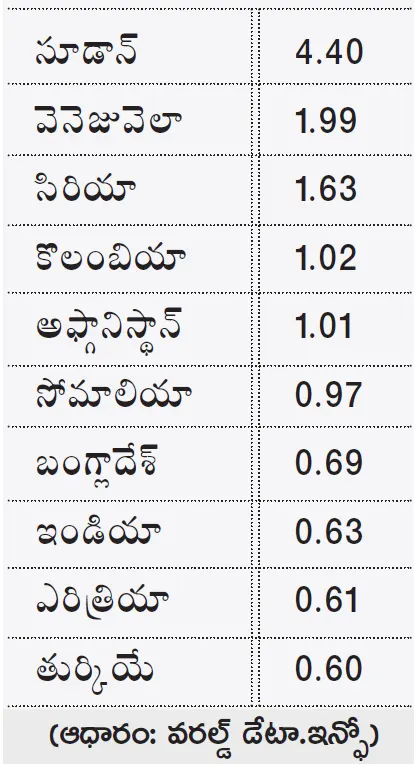
జాతి, మతం, రాజకీయ భావజాలం, ఒక సామాజిక బృందంలో సభ్యులుగా ఉండటం తదితరాల మూలంగా స్వదేశంలో తమకు ముప్పు ఉందని భయపడినప్పుడు రక్షణ కోసం ప్రజలు ఇతర దేశాలకు పారిపోతారు. అల్లర్లు, యుద్ధాలు, మానవ హక్కుల ఉల్లంఘనల నుంచి కాపాడుకోవడానికీ విదేశాలకు తరలివెళ్తారు. 2024లో ప్రపంచవ్యాప్తంగా 25.5 లక్షల మంది అలా అసైలం కోసం అభ్యర్థించారు. వీరిలో భారతీయులూ ఉండటం ఆశ్చర్యకరం! నిరుడు పరదేశాల్లో ఆశ్రయం కోసం అభ్యర్థించిన ఆయా దేశాల వారి సంఖ్య ఎంతంటే (లక్షల్లో)...
► Read latest Editorial Newsand Telugu News► Follow us on Facebook, Twitter, Instagram& Google News. Tags :గమనిక:ఈనాడు.నెట్లో కనిపించే వ్యాపార ప్రకటనలు వివిధ దేశాల్లోని వ్యాపారస్తులు, సంస్థల నుంచి వస్తాయి. కొన్ని ప్రకటనలు పాఠకుల అభిరుచిననుసరించి కృత్రిమ మేధస్సుతో పంపబడతాయి. పాఠకులు తగిన జాగ్రత్త వహించి, ఉత్పత్తులు లేదా సేవల గురించి సముచిత విచారణ చేసి కొనుగోలు చేయాలి. ఆయా ఉత్పత్తులు / సేవల నాణ్యత లేదా లోపాలకు ఈనాడు యాజమాన్యం బాధ్యత వహించదు. ఈ విషయంలో ఉత్తర ప్రత్యుత్తరాలకి తావు లేదు.
English Translation

Rates depending on congestion... Pats for commuters!

- A
- A+
- A++

Travellers have been through hell recently with the cancellation of flights by IndiGo. The Competition Commission of India (CCI) will investigate whether the company abused its dominance in the domestic civil aviation market. However, supporting the demand of passengers, other companies along with Indigo increased the ticket rates tremendously at that time. How to stop this illegal exploitation?

A way to loot
Civil flights in India are now operating with 85 to 90 percent occupancy. They are not limited to any one season. In that case, implementing a dynamic pricing policy would mean looting the pockets of passengers for higher profits. It is really unfair to increase prices especially during festivals, weddings, holidays and emergencies. In a vast country like India, trains may not be available on time for long distances during emergencies. Students writing exams, job seekers going for interviews, employees who have to report to work on time, patients who have to go for medical treatment, and their relatives cannot postpone their journeys due to missing a train. Must get on the plane. It is not right for airlines to inflate ticket prices to fund their demand. The principle that competition in the market is profitable for passengers is being turned upside down in the Indian airline market.
Airlines in foreign countries have had experiences of robbing passengers in the past. To control it, the respective countries have brought strong regulations. Price band system is in force in China. According to that, the minimum and maximum prices of flight tickets are decided. Tickets should be between those fixed prices depending on demand. Many Southeast Asian countries impose restrictions on air ticket rates on busy routes on days when demand is high. In Europe, although airlines are given freedom to set prices, laws protecting consumer rights are also strictly enforced. Even in America, even if the airline companies are given freedom in terms of ticket prices - there are more planes, airports and number of passengers. As there is huge competition in the market, airlines try to attract passengers with low fares. How does the government intervene in times of crisis? However, in countries like India where competition is low and barriers to entry are high, the policy of giving airlines freedom in deciding air ticket prices is not justified. For this, the minimum price (floor price) and maximum (ceiling) price should be determined. A floor price prevents airlines from cutting prices too low to undercut competitors. The ceiling stops prices from increasing during peak demand seasons. Airlines should be given the freedom to determine a suitable ticket rate between these minimum and maximum prices. This practice is not new to India. Already in the power sector. In our electricity market, the unit price should not exceed Rs.10. Minimum and maximum prices do not distort the market, they stabilize it. Although the government has unofficially prescribed minimum and maximum prices for air tickets, airlines are selling tickets at maximum prices. Therefore, the government should control the ticket prices at the field level. The government should implement a balanced ticket pricing system keeping in mind the business efficiency and profitability of the airlines and the interests of the passengers.
People flee to other countries for protection when they fear threats at home based on caste, religion, political ideology, membership of a social group etc. They move abroad to protect themselves from riots, wars and human rights violations. In 2024, 25.5 lakh people will apply for such asylum worldwide. It is surprising that there are Indians among them! What is the number (in lakhs) of those countries who have applied for asylum in foreign countries? href="https://www.facebook.com/eenaduonline/" target="_blank" rel="noopener">Facebook, Twitter, Instagram& Google News. Tags : Note:Business advertisements appearing on Eenadu.net are different
It comes from businessmen and organizations in countries. Some ads are sent with artificial intelligence based on the reader's preferences. Readers should exercise due care and make appropriate inquiries about products or services before purchasing. The respective products/
OWNER TODAY IS NOT RESPONSIBLE FOR THE QUALITY OR FAILURES OF THE SERVICES. There is no room for correspondence in this regard.


