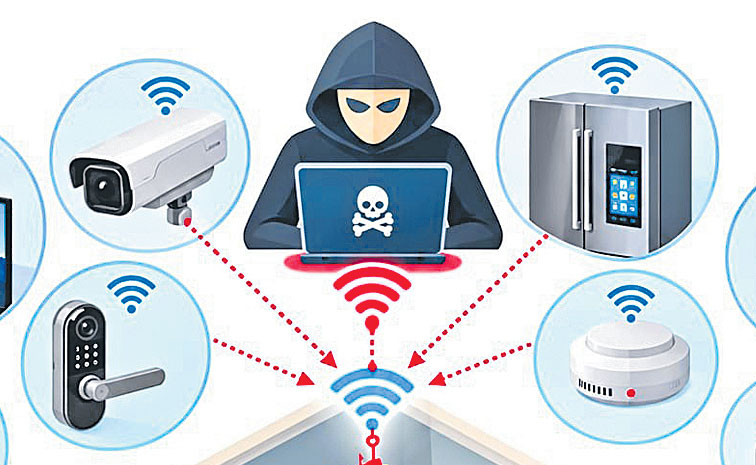
From fridges to security cameras, all internet-connected devices are cyber. are becoming targets for criminals. Recently, cybercriminals attacked the cooling systems of nearly 700 supermarkets in France and changed the settings of the refrigeration systems, causing the cooling to stop and all essentials such as vegetables, milk, fruits, meat etc. in the refrigerators were damaged. Which devices are getting hacked in this background? What are the tips of security experts to protect devices from cyber attacks?
Which devices can be hacked?
Smart TVs, security cameras, video doorbells, alarm systems, smart locks, thermostats, home appliances connected to the Internet are vulnerable to hacking. Some toothbrushes are even connecting to the internet. Routers in particular are becoming prime targets for hackers. According to cybersecurity industry statistics, routers account for more than three-quarters of attacks on connected devices.
What can hackers do?
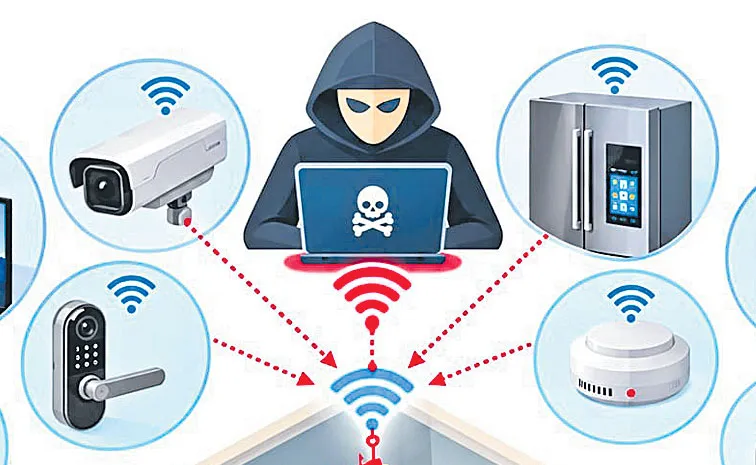
Hackers can access information on smart devices, change settings, or disrupt their functionality. A hacked camera can monitor activities at home. Hacking a fridge can change its control settings. Not only that.. Hackers who break into one device can also target other systems connected to the same network.
Can cars and critical infrastructure be hacked?
In 2015, Jeep Company had to recall about 1.4 million vehicles due to a remote cyber attack on its car's entertainment system. Recently, researchers have found that some flaws in Kia cars make it possible to track, unlock and start the vehicles based on the license plate number. These defects have been reported to Kia and they have been rectified. There are also cyber threats to electricity and water supply networks. But they usually have more security measures compared to home appliances.
Read this:Offer OK..! What is needed?
Can you hack my fridge too?
Theoretically possible. Any device connected to the Internet is vulnerable to hacking. In 2015, researchers demonstrated that a Samsung smart fridge could be hacked to intercept some internet traffic.
How to protect your devices?
These are the precautions cyber security experts suggest..
Change default passwords
A strong, unique password for each device. Use.
Enable two-factor authentication
Establish an extra layer of security.
Read this:Tesla car that flew in the wind.. Another experiment by Musk!
Update software
Regularly install available security updates for devices.
Replace old devices
Replace devices that do not receive security updates with new ones.
Use a private network
Smart home appliances whenever possible Keep it on a local network separated from other important devices.
Connect to the Internet only when necessary
Disable connection to devices that do not need the Internet.
Remember
The fewer devices that connect to the Internet, the fewer entry points available to hackers.